

Introduction to Cottage Cheese & Yogurt Egg Cheesecake
Imagine indulging in a dessert that harmoniously blends creamy textures with light, refreshing flavors, all while being a healthier option—this is the heart of the Cottage Cheese & Yogurt Egg Cheesecake. Born from a desire to enjoy a guilt-free treat without sacrificing taste, this cheesecake offers a delightful experience perfect for any occasion.
You might be wondering why this cheesecake stands out in the ever-expanding dessert universe. One of the key characteristics of the Cottage Cheese & Yogurt Egg Cheesecake is its unique blend of ingredients, making it a nutritious yet satisfying option. Cottage cheese lends a creamy texture and a mild flavor, while yogurt lightens the overall dish, introducing a subtle tang that wakes up your palate. With the addition of eggs, this cheesecake gains structure and richness, making it incredibly satisfying without being overly heavy.
But what makes this recipe a must-try? Here are a few reasons:
- Healthier option: With protein-packed cottage cheese and yogurt, this cheesecake provides a nutrient boost while being lower in calories compared to traditional options.
- Ease of preparation: The simplicity of this recipe means that whether you’re an experienced baker or a kitchen novice, you can whip up this cheesecake with minimal effort.
- Versatile flavors: While the base is wonderfully creamy, it lends itself beautifully to various toppings and flavor enhancements—think fresh fruit, chocolate drizzle, or a sprinkle of nuts.
The Cottage Cheese & Yogurt Egg Cheesecake isn’t just a dessert; it’s an innovative approach to enjoying sweet treats without the usual guilt. So, grab your mixing bowl and spoon, and let’s create a dessert that’s not just delicious but also nourishing!
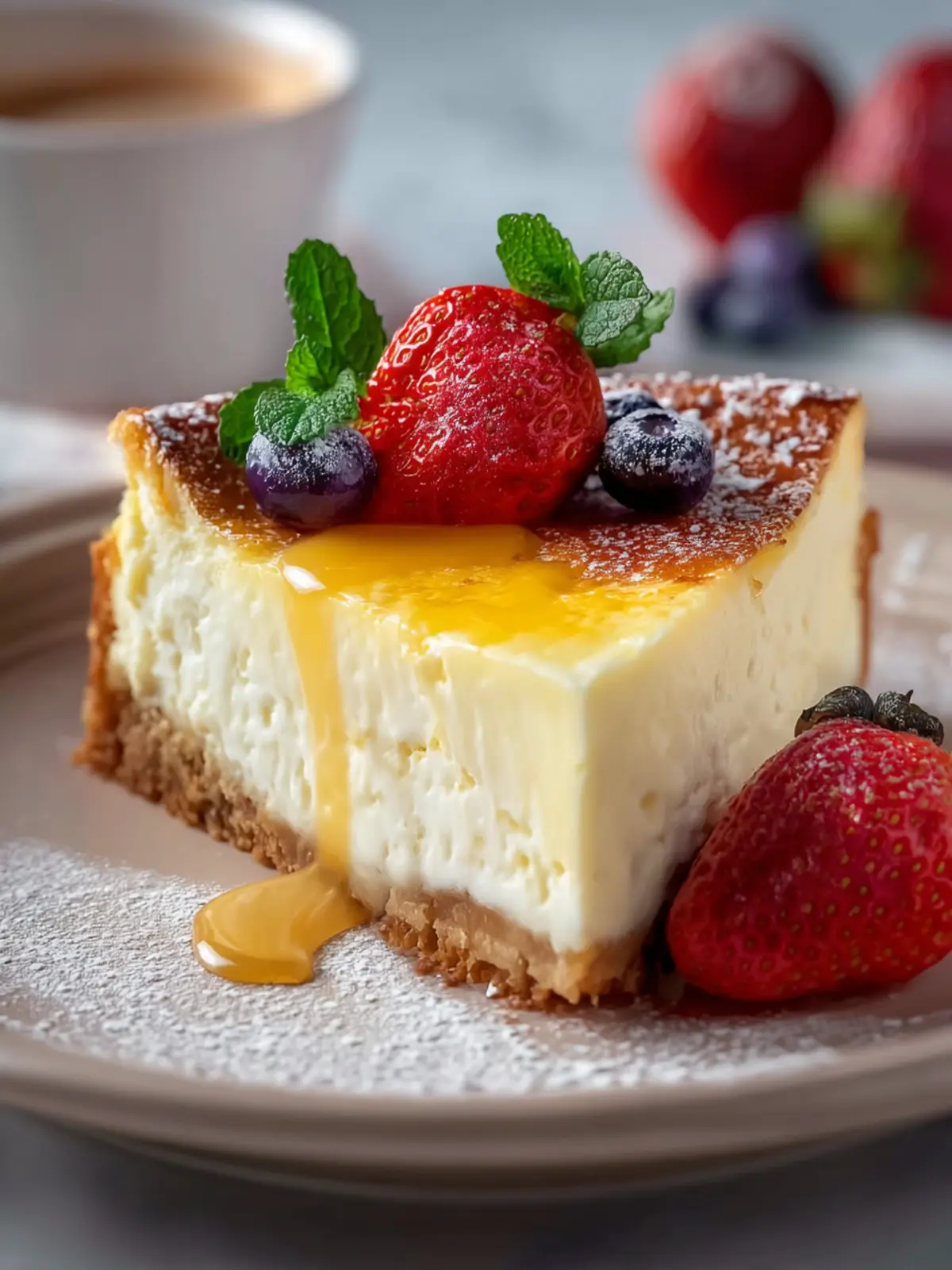
Key Ingredients for Cottage Cheese & Yogurt Egg Cheesecake
Cottage Cheese: For a rich and creamy base, I lean on cottage cheese. It lends moisture and a light texture that contrasts perfectly with the other ingredients. Opt for low-fat cottage cheese for a lighter option or full-fat for that indulgent feel; just be sure to blend it well for a smooth consistency.
Greek Yogurt: A staple in this Cottage Cheese & Yogurt Egg Cheesecake, Greek yogurt adds both tanginess and creaminess. It complements the cottage cheese beautifully while boosting the protein content, making this dessert a guilt-free treat!
Eggs: Eggs are essential for binding the ingredients together and providing structure. Separating the yolks and whites can enhance the fluffiness—just remember to gently fold the whipped whites into the mixture for a light cheesecake.
Vanilla Extract: A splash of pure vanilla extract rounds out the flavors, infusing sweetness that elevates the overall profile of your cheesecake.
Sweetener: Using a mix of honey and sugar gives just the right amount of sweetness to balance the tartness of the yogurt and cottage cheese, resulting in the perfect dessert.
Why You’ll Love This Cottage Cheese & Yogurt Egg Cheesecake
At the heart of our Cottage Cheese & Yogurt Egg Cheesecake lies a harmonious blend of creamy textures and flavors that dance on your palate with every bite. Imagine a slice of cheesecake that embodies indulgence without the heaviness. This dessert captures the essence of comfort food while staying light, making it perfect for any occasion.
Nutrient-Rich Ingredients: By incorporating cottage cheese and yogurt, this cheesecake is high in protein and calcium. These ingredients lend a distinct creaminess while adding nutritional benefits that help you feel good about enjoying dessert.
Simple Preparation: Don’t worry if you’re no baking expert. The recipe is straightforward, requiring minimal ingredients and steps. It’s ideal for those spontaneous moments when the dessert craving strikes!
Customizable Flavor Profiles: The base of this cheesecake can be easily adapted. Want a hint of lemon zest? Or perhaps a dollop of vanilla extract for warmth? The possibilities are endless, allowing you to personalize this recipe to match your taste or seasonal ingredients.
Perfect for Entertaining: Whether it’s a cozy dinner with friends or a cheerful brunch, this Cottage Cheese & Yogurt Egg Cheesecake will impress your guests. Its lightness means it perfectly complements heavier meals, ensuring everyone leaves the table satisfied.
With its simple ingredients and delightful flavors, this cheesecake is bound to become a cherished favorite in your dessert repertoire!
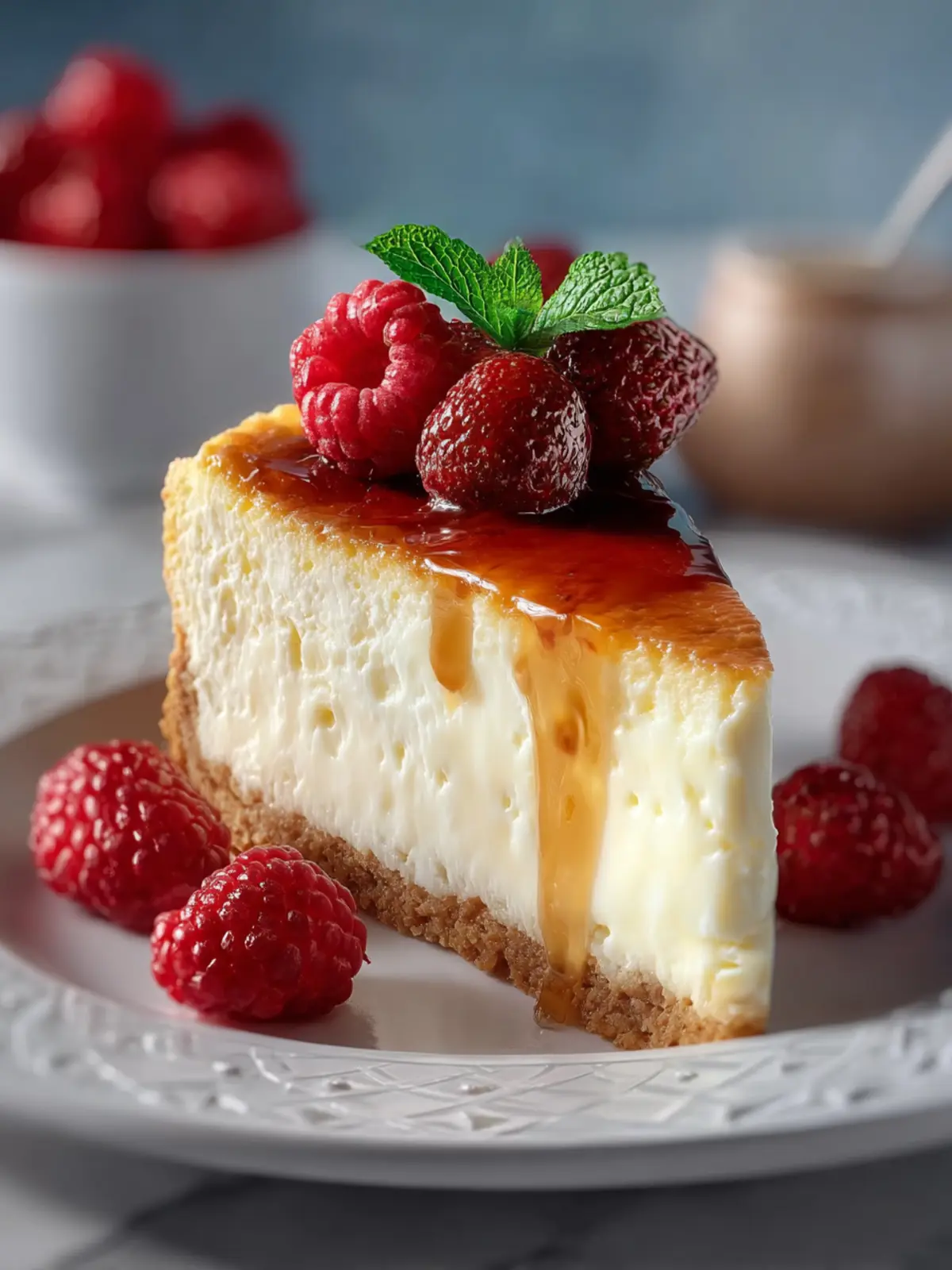
Variations for Cottage Cheese & Yogurt Egg Cheesecake
Exploring the Cottage Cheese & Yogurt Egg Cheesecake opens up a world of delicious possibilities that will keep you returning for seconds (or thirds). This cheesecake is bursting with flavors, and with a few creative variations, you can tailor it to fit any occasion or taste preference.
Flavor Enhancements
- Citrus Zest: Adding lemon, orange, or lime zest enriches the flavor profile. The brightness of the citrus complements the creaminess of the cheesecake beautifully.
- Spices: A dash of vanilla or almond extract can elevate the flavor. For a warmer vibe, try a sprinkling of cinnamon or nutmeg.
Fruit Additions
- Berries: Incorporate fresh strawberries, blueberries, or raspberries on top or even mixed into the batter for a fruity twist.
- Stone Fruits: Peaches or apricots can be delightful additions in the summer months, lending a refreshing touch.
Texture Tweaks
- Nutty Crunch: For a bit of crunch, consider folding in finely chopped nuts like walnuts or almonds into the batter, or sprinkle them on top before serving.
- Crust Alternatives: Instead of a traditional graham cracker crust, try using crushed oats or gluten-free cookies to cater to dietary preferences.
These variations give you the freedom to make your Cottage Cheese & Yogurt Egg Cheesecake uniquely yours, perfect for sharing or savoring all by yourself!
Cooking Tips and Notes for Cottage Cheese & Yogurt Egg Cheesecake
Crafting a delightful Cottage Cheese & Yogurt Egg Cheesecake is not just about following the recipe; it’s an experience filled with creativity and personal touches. Here are some helpful tips to elevate your cheesecake game:
Choosing Your Ingredients
- Cottage Cheese: Opt for small-curd cottage cheese for a smoother texture. Blending it briefly in a food processor can enhance creaminess.
- Yogurt: Greek yogurt is an excellent choice for an extra protein boost and tangy flavor. Full-fat or low-fat yogurt both work well, depending on your dietary preferences.
- Sweetener: Feel free to adjust the sweetness! Depending on your palate, you might want to use honey, agave syrup, or stevia for a healthier touch.
Perfecting the Texture
- Eggs: Make sure your eggs are at room temperature. This allows for better incorporation, leading to a fluffier cheesecake.
- Cooling Process: After baking, let your cheesecake cool gradually in the turned-off oven with the door slightly ajar. This prevents cracking.
Baking Tips
- Water Bath: Using a water bath (bain-marie) helps maintain moisture, resulting in a smoother texture. It also aids even cooking, preventing the edges from drying out.
With these tips, your Cottage Cheese & Yogurt Egg Cheesecake will be a crowd-pleaser for any occasion. Remember, baking is as much about enjoyment as it is about precision!
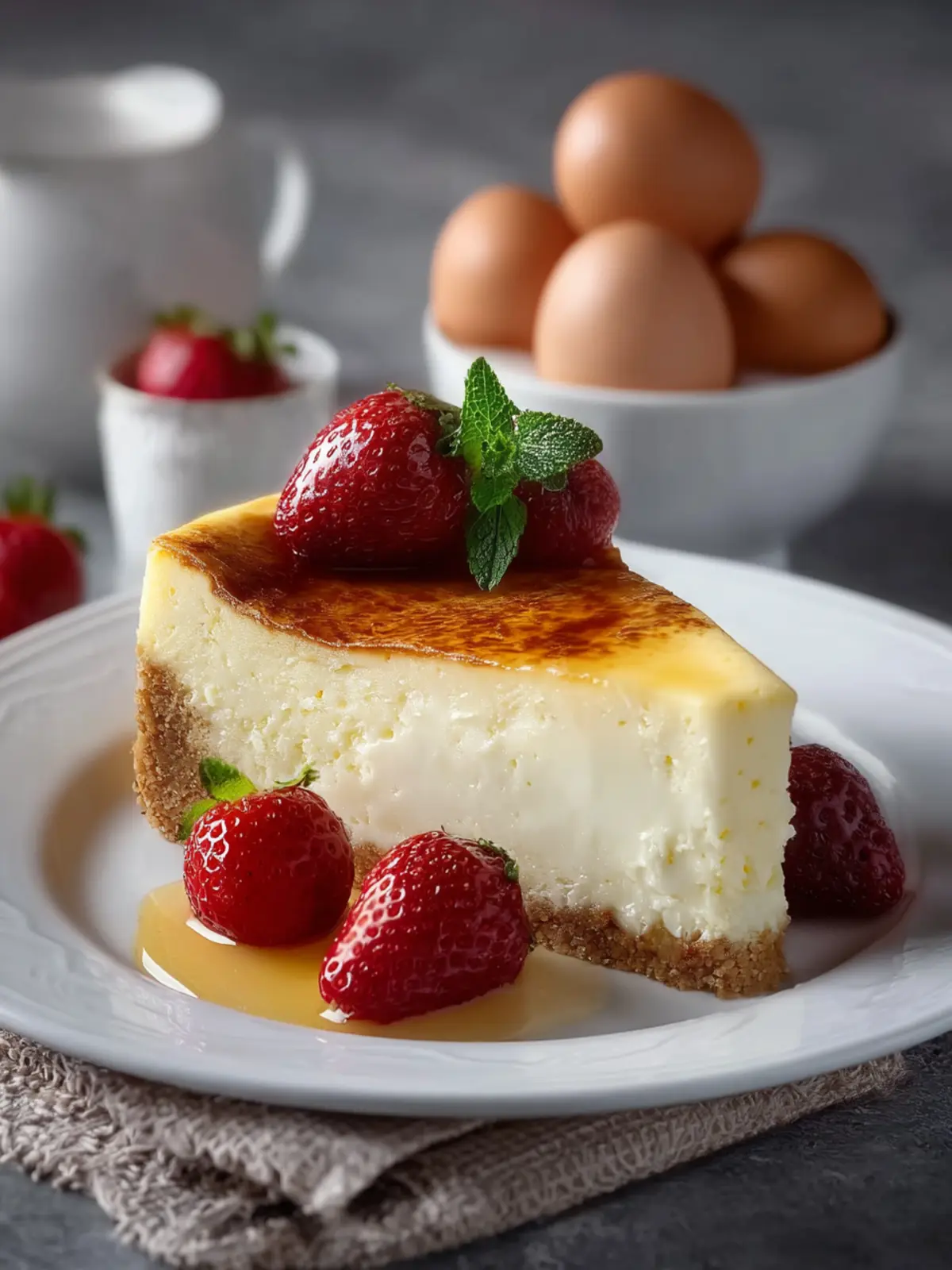
Serving Suggestions for Cottage Cheese & Yogurt Egg Cheesecake
When indulging in a delectable Cottage Cheese & Yogurt Egg Cheesecake, it’s all about elevating that creamy texture and rich flavor to new heights. Imagine this delightful cheesecake served at your next gathering—it’s sure to impress family and friends alike while providing a light and nutritious dessert option.
Fresh Fruit Companions
To enhance the flavor profile, consider topping your cheesecake with fresh fruits such as berries, peaches, or citrus slices. The natural acidity from the fruits beautifully balances the creaminess, creating a refreshing bite with each forkful.
Flavorful Sauces
A drizzle of honey or a homemade berry compote complements the cheesecake perfectly. These sauces not only add sweetness but also a burst of flavor that uplifts the overall dessert experience.
Nutty Crunch
For an added texture, sprinkle some toasted nuts like almonds or walnuts on top. Their crunchiness creates a delightful contrast to the smooth cheesecake, making every bite a unique experience.
Coffee or Tea Pairing
Lastly, why not serve your Cottage Cheese & Yogurt Egg Cheesecake with a warm cup of coffee or herbal tea? This combination not only elevates the dessert but makes for an inviting end to any meal.
Time Breakdown for Cottage Cheese & Yogurt Egg Cheesecake
Creating a delicious Cottage Cheese & Yogurt Egg Cheesecake is a delightful culinary adventure, and knowing how long to set aside for each step can make the process smooth and enjoyable.
Preparation Time
For the perfect cheesecake, set aside about 15-20 minutes for preparation. This allows you to gather all your ingredients and blend everything to a creamy consistency without feeling rushed.
Baking Time
Once your batter is ready, it’s time to pop it in the oven! The Cottage Cheese & Yogurt Egg Cheesecake requires about 45-50 minutes of baking to achieve that golden finish while ensuring it retains a creamy interior.
Total Time
From start to finish, including preparation and baking, you’re looking at approximately 1 hour and 10-15 minutes. It’s a small investment for a dessert that will impress your friends and family!
Nutritional Facts for Cottage Cheese & Yogurt Egg Cheesecake
Baking a Cottage Cheese & Yogurt Egg Cheesecake not only delivers a delicious treat but also packs a nutritional punch. Understanding its contents can help you enjoy it even more.
Calories
This cheesecake is relatively low in calories, making it a guilt-free dessert option. A standard serving contains approximately 150 calories, allowing you to indulge without straying from your health goals.
Protein
One of the standout features of this dessert is its protein content, primarily sourced from cottage cheese and yogurt. A single serving boasts around 10 grams of protein, perfect for keeping you satisfied throughout the day.
Sodium
With about 200 mg of sodium per serving, this cheesecake is moderate in saltiness. This balance makes it a great choice for those looking to keep their sodium intake within healthy limits while still enjoying a sweet treat.
There’s so much to love about making this Cottage Cheese & Yogurt Egg Cheesecake, both in flavor and nutrition!
FAQ about Cottage Cheese & Yogurt Egg Cheesecake
Creating a Cottage Cheese & Yogurt Egg Cheesecake isn’t just about the end result; it’s also about enjoying the journey. If you’ve found yourself with a few questions while baking this delightful dessert, you’re not alone! Here’s a friendly FAQ section to help elevate your cheesecake-making experience.
What can I use instead of cornstarch?
In search of a cornstarch substitute? You’re in luck! For your Cottage Cheese & Yogurt Egg Cheesecake, you can use an equal amount of all-purpose flour. If you want a gluten-free option, try using arrowroot powder or potato starch as they serve a similar binding purpose. Just keep in mind that the texture might be slightly different, but delicious nonetheless!
Can I make this cheesecake ahead of time?
Absolutely! Making your Cottage Cheese & Yogurt Egg Cheesecake in advance is a clever way to lighten your load on the day of serving. Ideally, you can prepare it a day or two ahead and store it in the fridge. This allows the flavors to meld beautifully, making each bite even more scrumptious.
How should I store leftover cheesecake?
Leftover cheesecake? No problem! Simply cover it tightly with plastic wrap or place it in an airtight container, and it will stay fresh in the refrigerator for up to five days. If you want to extend its life, you can freeze slices for up to three months. Just be sure to thaw it in the fridge overnight for the best texture!
With theseFAQs in mind, you’re well-prepared to create and enjoy your Cottage Cheese & Yogurt Egg Cheesecake to the fullest. Happy baking!
Conclusion on Cottage Cheese & Yogurt Egg Cheesecake
As we wrap up our exploration of the delightful Cottage Cheese & Yogurt Egg Cheesecake, it’s clear that this recipe is more than just a dessert; it’s a celebration of texture and flavor. By blending creamy cottage cheese with tangy yogurt, you create a cheesecake that feels indulgent yet remains light. This is a fantastic treat that surprises with its simplicity and health benefits, easily fitting into any dinner party or cozy night in. I encourage you to try it and discover a new favorite—one that not only satisfies your sweet tooth but also makes you feel good about your choice. Enjoy the culinary adventure!
Print
Cheesecake with Cottage Cheese and Greek Yogurt
- Total Time: 4 hours 60 minutes
- Yield: 8 servings 1x
- Diet: Vegetarian
Description
Delicious and creamy cheesecake made with cottage cheese and Greek yogurt.
Ingredients
- 1 1/2 cups cottage cheese
- 1 cup Greek yogurt (full-fat or 2%)
- 3 large eggs
- 1/3 cup maple syrup
- 1 tablespoon lemon juice
- 1 teaspoon vanilla extract
- 1 tablespoon cornstarch
Instructions
- Preheat your oven to 325°F (163°C). Line an 8-inch round cake pan with parchment paper and lightly grease the sides.
- In a high-speed blender, combine cottage cheese, Greek yogurt, eggs, maple syrup, lemon juice, vanilla extract, and cornstarch. Blend until completely smooth.
- Pour the batter into the prepared pan and gently tap to release air bubbles.
- Bake for 40–45 minutes until the edges are set and the center slightly jiggles.
- Turn off oven, crack the door, and let cheesecake rest inside for 15 minutes.
- Cool fully at room temperature, then refrigerate for at least 4 hours before slicing.
Notes
- For best results, use full-fat Greek yogurt.
- Letting the cheesecake cool gradually helps prevent cracking.
- This cheesecake can be topped with fresh fruit or a drizzle of chocolate for added flavor.
- Prep Time: 15 minutes
- Cook Time: 45 minutes
- Category: Dessert
- Method: Baking
- Cuisine: American
Nutrition
- Serving Size: 1 slice
- Calories: 150
- Sugar: 8g
- Sodium: 75mg
- Fat: 5g
- Saturated Fat: 2g
- Unsaturated Fat: 3g
- Trans Fat: 0g
- Carbohydrates: 20g
- Fiber: 0g
- Protein: 8g
- Cholesterol: 70mg